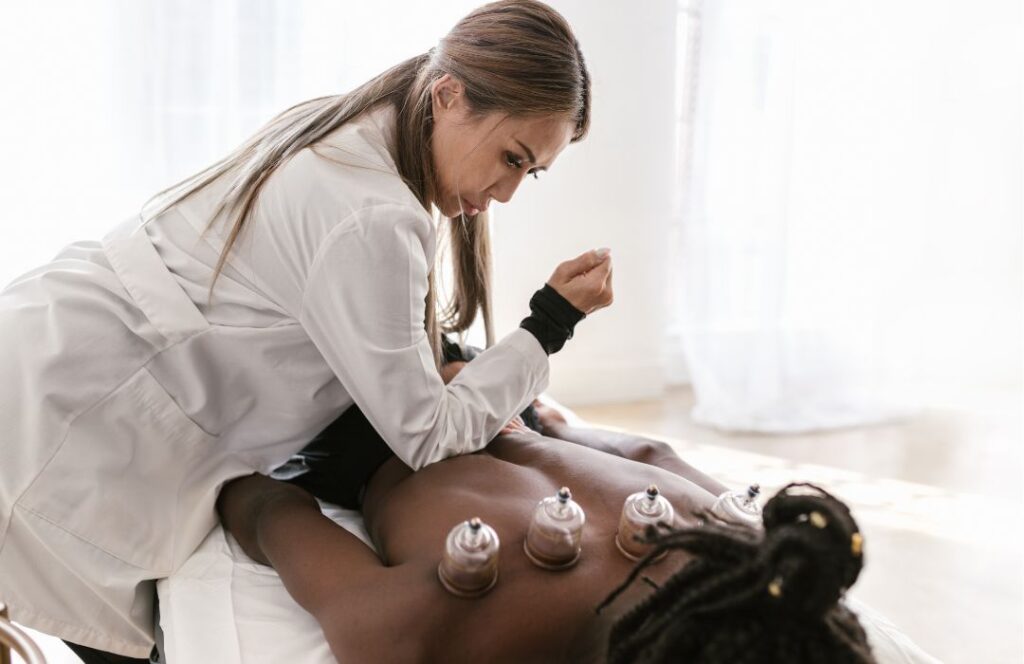
What is Cupping Therapy?
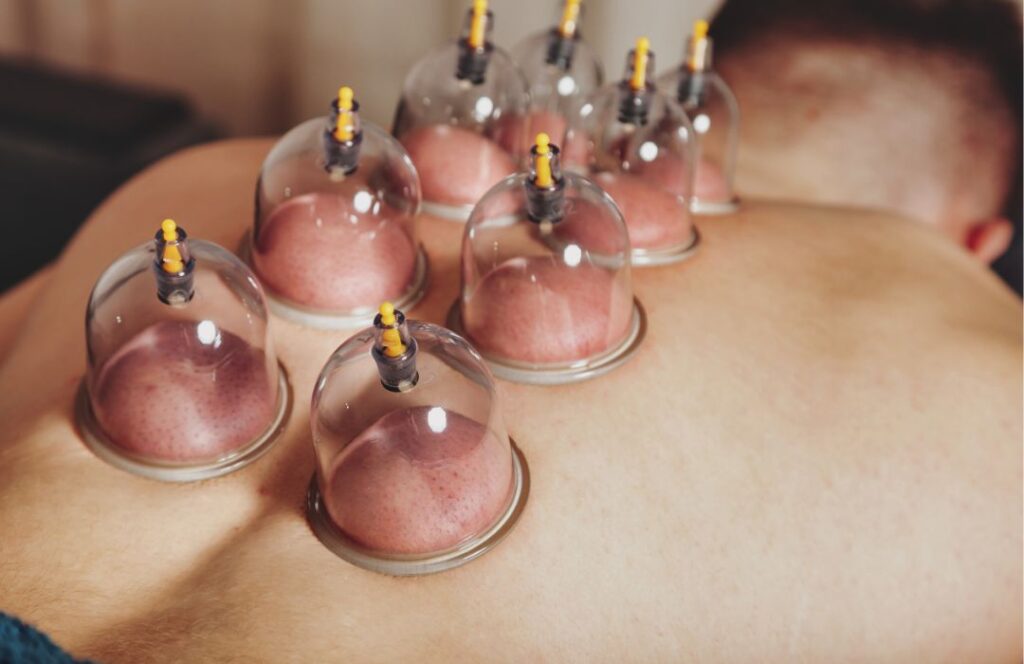
Cupping therapy is an old healing method that has been around for centuries. It helps with pain, improves blood flow, and makes you feel more relaxed. This therapy uses special cups that create suction on the skin. Many believe it pulls out toxins, reduces swelling, and helps the body heal naturally.
History of Cupping Therapy
Cupping has been used for thousands of years. The earliest records go back to ancient Egypt around 1550 B.C., where people used it for pain, fevers, and dizziness. The famous Greek doctor Hippocrates also recommended it for different health issues. In China, cupping became a big part of traditional medicine, often used with acupuncture. In the Islamic world, it was called “Hijama” and was seen as a beneficial practice.
In the beginning, people used animal horns for cupping. Later, they switched to bamboo, then glass. But now plastic or silicone cups. In Europe and America, cupping was common until the 1800s. But it faded as modern medicine took over. Then, in 2016, it made a huge comeback when Olympic athletes like Michael Phelps were seen with cupping marks. This sparked new interest in this ancient practice.
For a relaxing and rejuvenating experience, explore Dhaka’s best spa packages at VIP Lotus Spa, the top spa center in Bangladesh.
Types of Cupping Therapy
Cupping therapy comes in two main types:
Dry Cupping
This is the most common type of cupping. The therapist places suction cups on the skin without making any cuts. The suction pulls the skin upward, improving blood flow to that area.
How It Works:
- A therapist places cups on your skin.
- Suction is created using a pump, flame, or by manually pressing the cup.
- The cups stay in place for about 5-10 minutes.
- The treatment can be repeated once or twice a week.
Massage Cupping (Running Cupping):
- A variation of dry cupping where the therapist moves the cups around using oil or lotion.
- This technique feels like a deep massage.
Wet Cupping
This method removes a small amount of blood from the body.
How It Works:
- The therapist places cups on your skin for 3-5 minutes to create mild suction.
- Small cuts are made on the skin using a sterile scalpel.
- The cups are placed back to remove some blood and toxins.
- After the session, antiseptic is applied to prevent infection.
How Often Can You Get Wet Cupping?
- Most people do it every 4-8 weeks.
- Beginners usually start with just one or two cups per session.
How Cupping Therapy Works
Cupping is believed to help the body in several ways:
- Improves blood circulation.
- Reduces inflammation and relaxes muscles.
- Helps the body’s natural healing process.
- Removes toxins and stagnant fluids.
While more research is needed, some studies suggest cupping can help with pain relief, stress reduction, and skin conditions.
Health Benefits of Cupping Therapy
People use cupping therapy for different reasons, including:
- Pain Relief – Helps with chronic pain, arthritis, and back pain.
- Skin Health – Some say it helps with acne, eczema, and other skin issues.
- Stress & Anxiety – Promotes relaxation and improves mental well-being.
- Better Breathing – May help with asthma, allergies, and chest congestion.
- Improved Blood Flow – Boosts circulation and oxygen supply to tissues.
- Stronger Immune System – Helps remove toxins and supports immune function.
Some research suggests cupping may also help with high blood pressure, migraines, varicose veins, and digestion.
Cupping for Pain Management
One theory behind cupping’s pain-relief benefits is the “Pain-Gate Theory.” This means cupping stimulates larger nerve fibers, blocking pain signals from reaching the brain.
A 2023 study found that cupping therapy could help manage:
- Chronic pain
- Osteoarthritis of the knee
- Lower back pain
- Neck pain
- Herpes zoster pain
Experts recommend using cupping as a complementary treatment rather than the only medical solution.
Cupping for Skin Problems (Acne and Eczema)
Cupping may help with skin issues by reducing inflammation and increasing antioxidants in the body. One Iranian study found that people with acne saw better results when they combined wet cupping with acne medication rather than just using medicine alone.
Cupping with Acupuncture
Some experts use cupping and acupuncture together for better results. In needle cupping, they first insert acupuncture needles into the skin, then place suction cups over them. This combo may help with pain relief and muscle relaxation. One study found that using cupping with ear acupuncture worked better for chronic back pain than just acupuncture alone.
Side Effects of Cupping Therapy
Cupping is generally safe when done by a trained professional. However, some side effects may include:
- Mild discomfort during or after treatment.
- Temporary bruises or red marks (fade within 1-10 days).
- Skin irritation or minor burns.
- Risk of infection if equipment is not properly sterilized.
Important: If you have a bleeding disorder or take blood thinners, avoid cupping therapy.
Does Cupping Cause Blood Clots?
There’s no strong evidence that cupping causes blood clots. However, experts recommend avoiding it on open wounds, infected skin, or badly bruised areas. If you have heart disease, high cholesterol, or take blood thinners, talk to your doctor before trying cupping.
Where Can You Get Cupping Done?
Cupping is commonly done on:
- Back (most popular)
- Shoulders
- Chest
- Stomach
- Buttocks
- Legs (less common)
Cupping for Shoulder Pain
- Helps increase blood circulation and loosen tight muscles.
- Some people find relief, but scientific studies are still limited.
Cupping for Knee Pain
- May reduce inflammation and improve flexibility.
- Some studies suggest it works as well as pain relievers.
Who Can Perform Cupping Therapy?
Cupping is usually done by:
- Massage therapists
- Acupuncturists
- Chiropractors
- Physical therapists
- Occupational therapists
- Some medical doctors
There is no universal certification for cupping, but many professionals take specialized training.
Cost of Cupping Therapy
The price of cupping therapy depends on:
- Location
- Experience of the therapist
- Session length
- Type (wet cupping is usually more expensive than dry cupping)
On average, cupping therapy costs between 4,000 to 10,000 per session. Some clinics offer package deals for multiple sessions.
Can You Do Cupping at Home?
Yes! You can buy cupping kits with plastic or silicone cups for home use. Avoid using glass cups that require fire, as they can be dangerous.
Before trying home cupping, learn from a professional or follow trusted guides. Always keep your equipment clean to avoid infections.
For more insights on promoting better blood circulation, check out our article on which massage is best for blood circulation.
Conclusion
Cupping therapy is an old healing method that’s popular again. People use it to ease pain, reduce stress, and feel better overall. While scientists are still studying it, many find it helpful. If you want to try cupping, go to a trained professional for the best experience.
Frequently Asked Questions (FAQs)
Q1. Is cupping therapy effective?
A1: Some studies suggest it helps with pain relief, but more research is needed.
Q2. How long do cupping marks last?
A2: Cupping marks usually fade within 1 to 10 days.
Q3. Can cupping help with stress?
A3: Yes, cupping may help relax muscles and reduce stress levels.
Q4. Is cupping painful?
A4: Most people find it mildly uncomfortable but not painful.
Q5. Can I do cupping while pregnant?
A5: Cupping is not recommended during pregnancy.